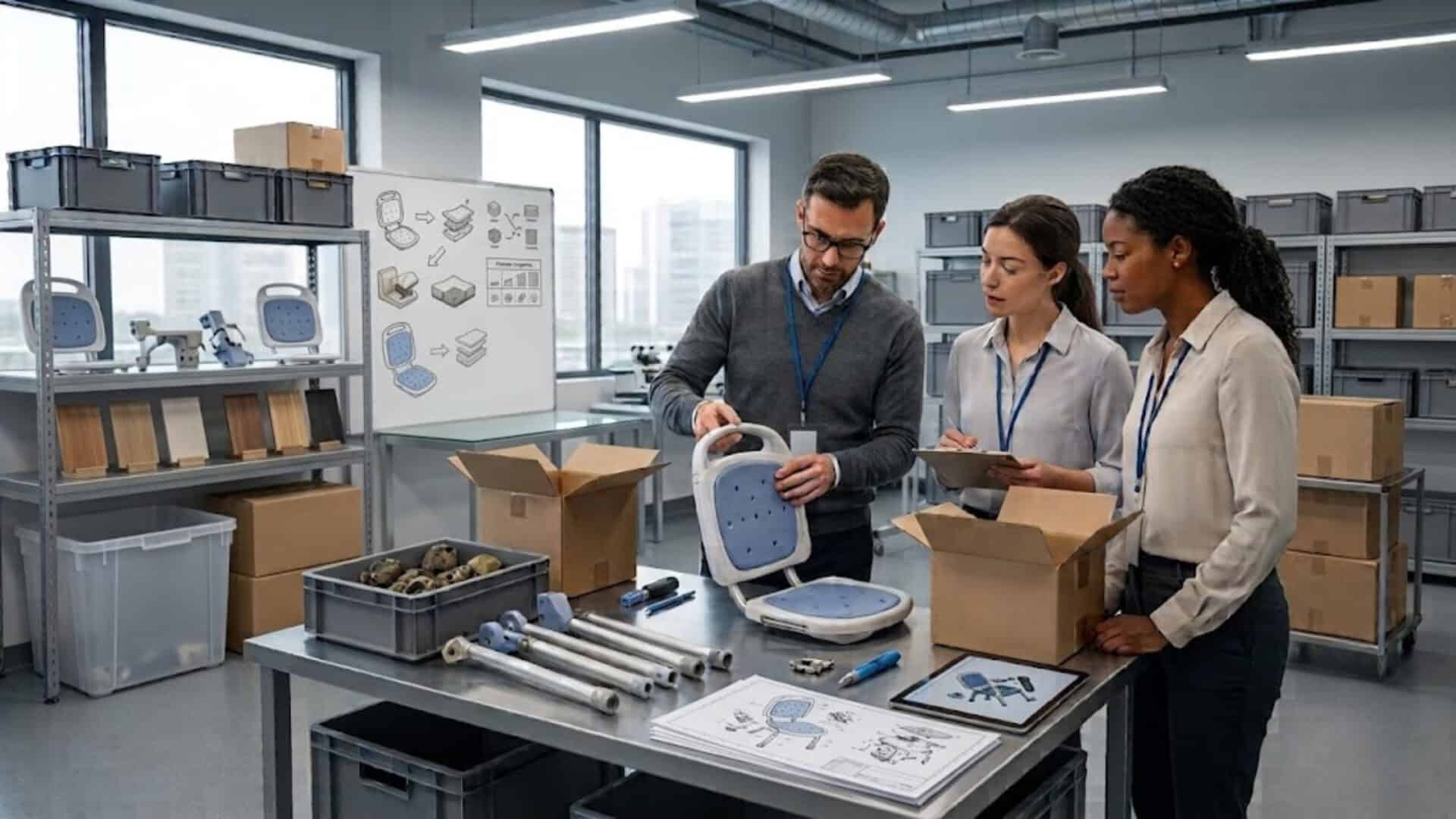
As companies rethink how products are designed, manufactured, and managed throughout their lifecycle, attention is increasingly shifting toward what happens after a product reaches the customer.
Traditional product development has focused primarily on getting products to market efficiently—optimizing design, manufacturing, distribution, and customer experience. However, as businesses face growing expectations around sustainability, resource efficiency, and long-term value creation, the next stage of the product journey has become just as important: how products return through the supply chain.
This is where reverse logistics comes into play.
Reverse logistics focuses on the systems and processes that move products, components, and materials back from end users through the supply chain. These systems support activities such as returns, repairs, refurbishment, resale, remanufacturing, and responsible recycling.
For product teams, reverse logistics introduces a new consideration: products should not only be designed for their first use, but also for what happens afterward.
The decisions made during industrial design—from material choices to assembly methods—can determine whether a product can be efficiently recovered, repaired, or reused in the future.
Reverse Logistics and Circular Product Design: Understanding the Difference
Reverse logistics and circular product design are closely connected, but they solve different challenges.
Circular product design focuses on how a product is created to maintain value over time. It considers factors such as durability, repairability, modularity, material selection, and disassembly.
Reverse logistics focuses on the system that brings products back after use so those design decisions can create value beyond the initial customer experience.
In simple terms:
- Circular product design asks: How can we design products that last longer and support future use?
- Reverse logistics asks: How can we efficiently recover those products and move them through the next stage of their lifecycle?
Both approaches depend on each other.
A product designed for easy repair or refurbishment has greater potential within a reverse logistics system. However, even the most thoughtfully designed product cannot be recovered without the right collection, transportation, processing, and business systems in place.
This relationship highlights an important opportunity for industrial designers. Design decisions made at the beginning of product development influence what is possible years later.
Why Reverse Logistics Matters for Product Development
Reverse logistics is often viewed as a supply chain responsibility, but successful systems begin much earlier—with product strategy and design.
When products are difficult to repair, disassemble, or maintain, recovery becomes more expensive and less practical. In contrast, products designed with lifecycle considerations can create additional opportunities for businesses and customers.
Effective reverse logistics strategies can help organizations:
- Extend product lifecycles
- Reduce waste and resource consumption
- Recover valuable components and materials
- Create refurbishment opportunities
- Improve customer relationships
- Support new service-based business models
For companies developing complex products, this approach can also reduce long-term ownership costs.
A product that can be serviced instead of replaced may provide greater value for customers while allowing businesses to maintain stronger relationships after the initial sale.
Designing Products for Repair, Refurbishment, and Reuse
The foundation of reverse logistics begins with thoughtful product architecture.
Products intended to move through multiple lifecycle stages need to consider how easily they can be inspected, maintained, repaired, or reconfigured.
Several design considerations can support these goals:
Accessible Components
Products with accessible internal components are easier to diagnose and repair. This reduces the need to replace entire systems when only one component requires attention.
Simplified Assembly and Disassembly
Complex construction methods can make recovery inefficient. Designing products with logical assembly systems and accessible connections can make repair and refurbishment more practical.
Replaceable and Adaptable Elements
Products that allow specific components to be replaced or updated can continue serving users longer without requiring complete redesigns or replacements.
These decisions require collaboration between industrial designers, engineers, manufacturers, and business teams. The goal is not simply to make products easier to take apart—it is to create products that retain value throughout their useful life.
Designing Products That Support Changing User Needs
Reverse logistics is not only about what happens when a product reaches the end of its first life. It also involves creating products that can adapt throughout ownership.
Products that support changing needs are more likely to remain useful over time.
This can include:
- Adjustable configurations
- Replaceable components
- Flexible product systems
- Easier maintenance processes
CHOI Design Group’s work with Juvo demonstrates how thoughtful product architecture can support long-term adaptability.
Juvo partnered with CHOI Design Group to develop a new line of ergonomically designed bath and shower products for users with limited mobility. The project focused on improving safety, accessibility, and ease of use while creating a unified product language across the collection.
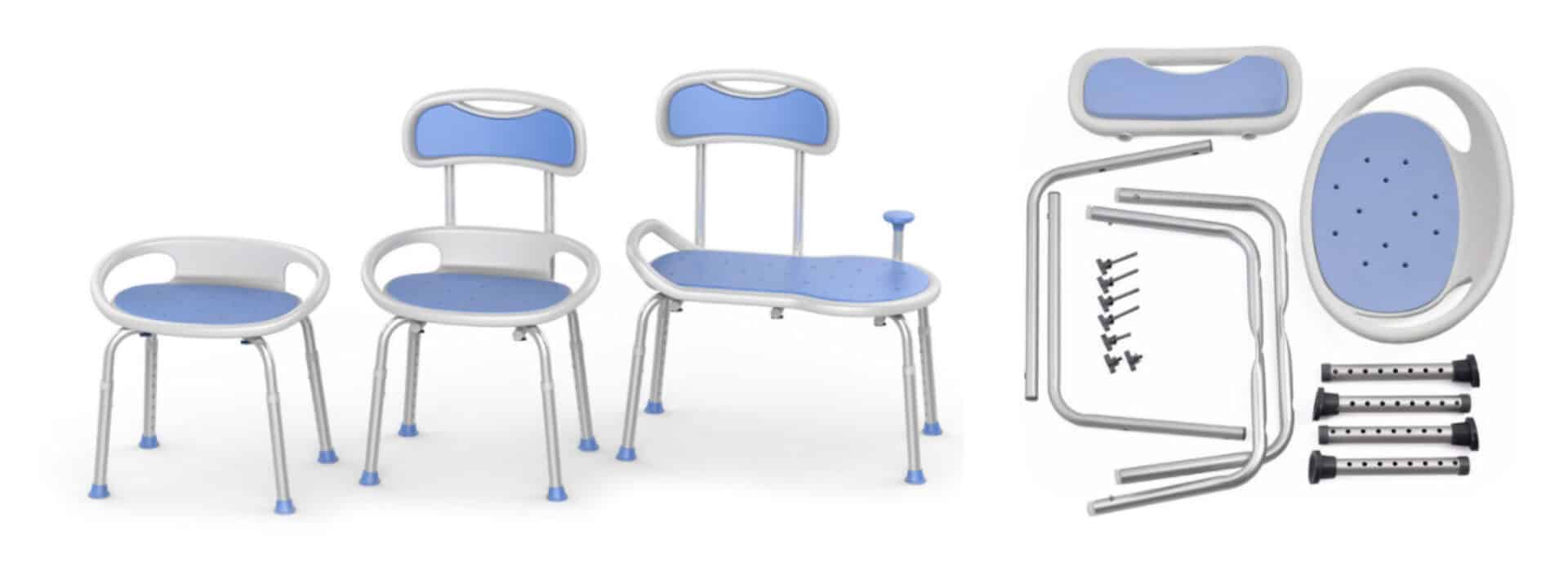
Through research, concept development, and industrial design, CHOI Design Group created products that are easy to assemble and available in multiple configurations to accommodate different user needs.
While the Juvo project was not designed specifically as a reverse logistics system, the design approach demonstrates an important lifecycle principle: products that can be assembled, adapted, and configured in different ways have greater potential to remain useful as circumstances change.
This type of flexibility supports the broader goal behind reverse logistics—keeping products valuable for longer rather than replacing them unnecessarily.
The Role of Industrial Designers in Reverse Logistics
Because reverse logistics involves many operational processes, it can be easy to overlook the role of industrial design.
However, many decisions that affect recovery happen during the earliest stages of product development.
Industrial designers influence:
- How products are assembled
- How users interact with products
- How components are organized
- How materials are combined
- How products can evolve over time
These choices directly impact whether products can successfully move through repair, refurbishment, reuse, or recycling pathways.
A product that looks successful at launch but cannot be efficiently maintained may create challenges later in its lifecycle.
By considering recovery early, design teams can help companies create products that are not only functional and desirable but also better prepared for future opportunities.
Building Reverse Logistics Into Product Strategy
Successful reverse logistics requires alignment across multiple areas of an organization.
Design teams, engineers, manufacturers, and supply chain leaders must work together to understand:
- How products will be returned
- How components will be evaluated
- Which parts can be reused
- How repairs will be performed
- How recovered materials will be managed
This cross-functional approach ensures that reverse logistics is not treated as an afterthought.
Instead, it becomes part of the overall product strategy.
Organizations that consider these factors early are better positioned to respond to changing customer expectations, sustainability goals, and evolving market conditions.
CHOI Design Group supports companies through the full product development process, combining research, industrial design, prototyping, and engineering collaboration to create products that balance user needs with business objectives.
Why Reverse Logistics Should Be Part of Every Product Strategy
The future of product development is moving beyond the initial sale.
Companies are increasingly recognizing that successful products must create value throughout their entire lifecycle—not only when they are first purchased.
Reverse logistics provides a framework for recovering that value through repair, refurbishment, reuse, and responsible material management.
However, successful reverse logistics begins with decisions made during product development. Products must be thoughtfully designed with accessibility, adaptability, and lifecycle considerations in mind.
By connecting industrial design with recovery strategies, companies can create products that serve users longer, reduce unnecessary waste, and support stronger long-term business outcomes.
CHOI Design Group partners with product teams to transform ideas into thoughtful, market-ready solutions that consider the complete product journey.
Looking to design products that support longer lifecycles and future recovery opportunities? Contact CHOI Design Group to start the conversation.