
Sustainability is no longer a peripheral concern in product development. For companies bringing physical products to market, circular product design has become a strategic consideration that directly influences customer perception, operational resilience, and long-term business performance.
As supply chains grow more complex and customers become more critical of short product lifecycles, organizations are rethinking how products are designed, manufactured, used, and maintained. Circular design offers a framework for building products that retain value beyond the initial purchase—reducing waste while strengthening brand trust and extending product relevance.
Importantly, circularity is not just about materials or compliance. It is increasingly about designing better systems—ones that support longevity, adaptability, and meaningful user engagement.
For product leaders and innovation teams, circular design is shifting from a sustainability initiative into a core business strategy.
What Circular Product Design Really Means
Circular product design focuses on extending the useful life of products, components, and materials for as long as possible. Instead of following a linear model of make–use–dispose, circular systems are structured to preserve value across multiple stages of a product lifecycle.
This often includes:
- Designing for repairability and serviceability
- Enabling upgrades through modular or adaptable systems
- Improving material efficiency and durability
- Supporting disassembly and recycling pathways
- Reducing premature product obsolescence
However, circularity is not defined by materials alone. A product made with recycled inputs can still generate waste if it is difficult to maintain or quickly becomes obsolete. True circular thinking considers the entire lifecycle experience—from first use to long-term serviceability.
In this sense, circular design becomes a systems challenge rather than a material choice.
Why Circularity Is Becoming a Competitive Advantage
The shift toward circular product strategies is being driven by both market expectations and business realities. Customers are increasingly aware of product longevity, repairability, and environmental responsibility, while companies are under pressure to improve efficiency and reduce lifecycle costs.
Circular design supports both sides of this equation.
From a business perspective, it can help organizations:
- Reduce material and production waste
- Extend product lifecycle value
- Strengthen customer retention and loyalty
- Improve ESG and sustainability performance
- Differentiate through product quality and longevity
- Reduce long-term service and replacement costs
In many cases, circularity also strengthens the relationship between product and user. Products designed to evolve or remain serviceable over time tend to build greater trust than those designed around short replacement cycles.
As a result, circular design is increasingly being viewed not as a constraint, but as a source of strategic advantage.
Designing Products That Stay Relevant Longer
A major driver of waste in product ecosystems is not physical failure, but functional or perceived obsolescence. Products are often replaced because they no longer align with evolving user needs or expectations.
Circular product design directly addresses this by encouraging teams to think beyond the initial release and consider how products can remain relevant over time.
This can include:
- Designing adaptable product ecosystems
- Supporting serviceable and replaceable components
- Creating intuitive, long-lasting user experiences
- Establishing consistent and timeless design languages
- Encouraging ongoing use rather than replacement
In connected product categories, CHOI Design Group considers how everyday usability and long-term engagement shape product longevity, as seen in the Sunstar G.U.M. Flosser, where design decisions prioritize intuitive interaction and sustained use within daily personal care routines.
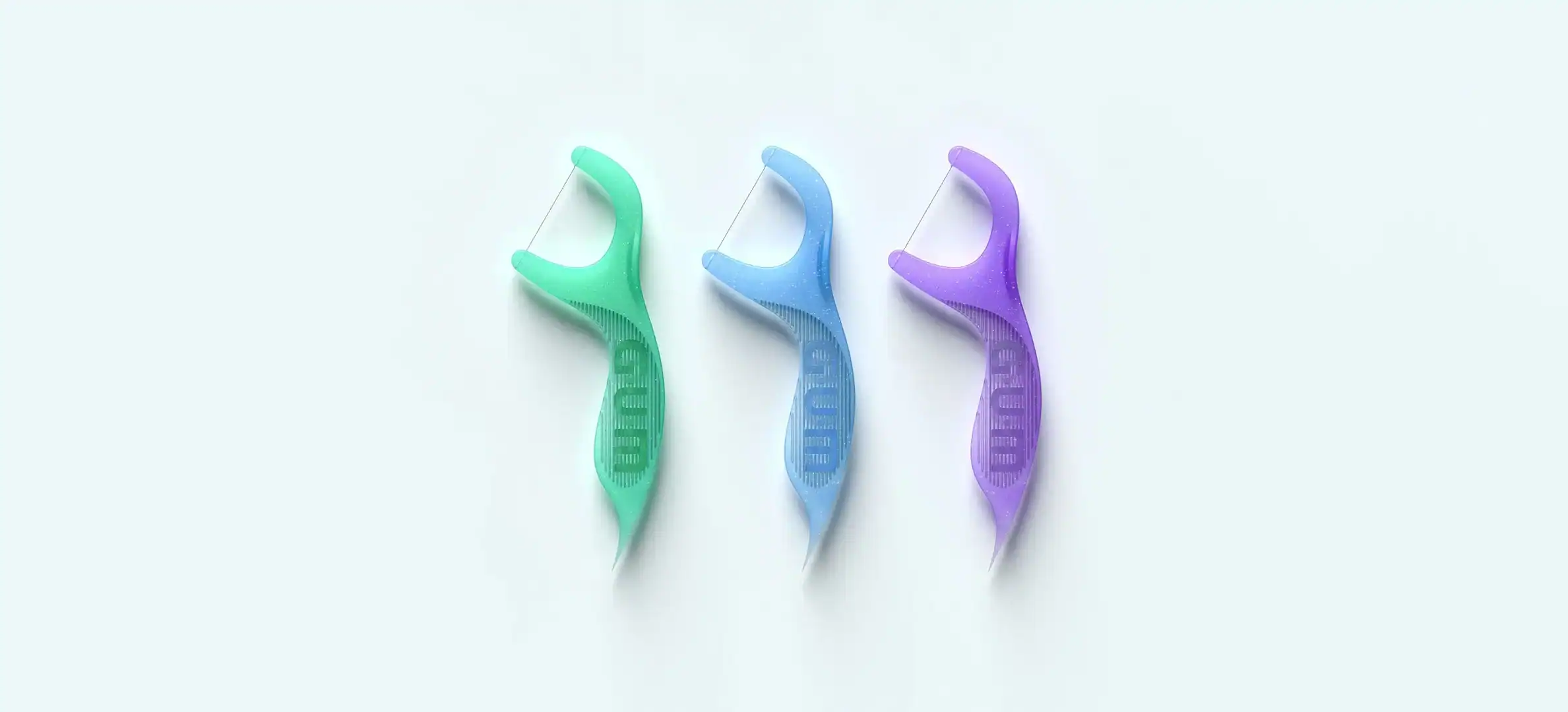
By focusing on ease of use and long-term behavioral adoption, the product experience supports continued relevance over time—an essential but often overlooked dimension of circular design.
Circular Design in Practice: Reducing Ownership Costs While Building Loyalty
One of the strongest business arguments for circular product design is its ability to reduce total ownership costs while creating stronger long-term customer relationships.
When products are designed for durability, serviceability, and adaptability, businesses often experience fewer warranty claims, lower replacement costs, and reduced operational waste over time. At the same time, customers gain more confidence in products that continue performing reliably well beyond the initial purchase cycle.
This creates a measurable business advantage.
In sectors such as consumer electronics, medical devices, and industrial equipment, companies are increasingly adopting modular service strategies that allow products to be upgraded or repaired rather than fully replaced. This approach helps reduce total ownership costs for customers while creating ongoing revenue opportunities through servicing, replacement components, and product ecosystem expansion. At the same time, customers are more likely to remain loyal to brands that support long-term usability instead of encouraging unnecessary replacement cycles.
For example, companies that implement modular or repairable product systems can extend product lifecycles without requiring customers to replace entire units when a single component becomes outdated or damaged. Instead of losing customers to replacement cycles, organizations create opportunities for ongoing engagement through upgrades, maintenance services, replacement components, and ecosystem expansion.
This shift changes the economic relationship between brand and customer.
Rather than relying solely on repeated full-product purchases, companies can generate longer-term revenue through continued product support and lifecycle services while simultaneously reducing waste and improving customer satisfaction.
In many industries, this approach also improves brand perception. Customers increasingly associate long-lasting, repairable products with higher quality, greater responsibility, and stronger long-term value.
For manufacturers, circular design therefore becomes more than a sustainability initiative—it becomes a retention and revenue strategy.
Sustainability Is Increasingly a Question of Trust
Sustainability messaging alone is no longer sufficient to build credibility. Customers are becoming more discerning and are increasingly evaluating companies based on the tangible quality of their products rather than stated intentions.
Circular product design helps bridge this gap because it is experienced directly through the product itself.
Durability, repairability, and thoughtful construction communicate intent in ways that marketing language cannot. When products last longer and perform consistently, they reinforce the perception that a brand is committed to long-term value creation.
This is particularly relevant in premium and innovation-driven markets, where trust is closely tied to product experience.
In this context, circularity becomes a form of proof—demonstrating sustainability through design decisions rather than messaging.
Circular Thinking Often Leads to Better Product Decisions
One of the most overlooked benefits of circular design is how it improves decision-making throughout the development process. When teams are asked to consider lifecycle performance, serviceability, and long-term usability early in design, the quality of product decisions tends to improve.
Questions such as:
- How will this product age over time?
- Can key components be serviced or replaced?
- What happens when user needs evolve?
- Does the design encourage unnecessary replacement?
- Is the system adaptable beyond its initial use case?
These considerations often lead to more refined, resilient product solutions.
This systems-level thinking is reflected in the CastAway project, where CHOI Design Group focused on designing for durability, portability, and real-world performance across variable use conditions.
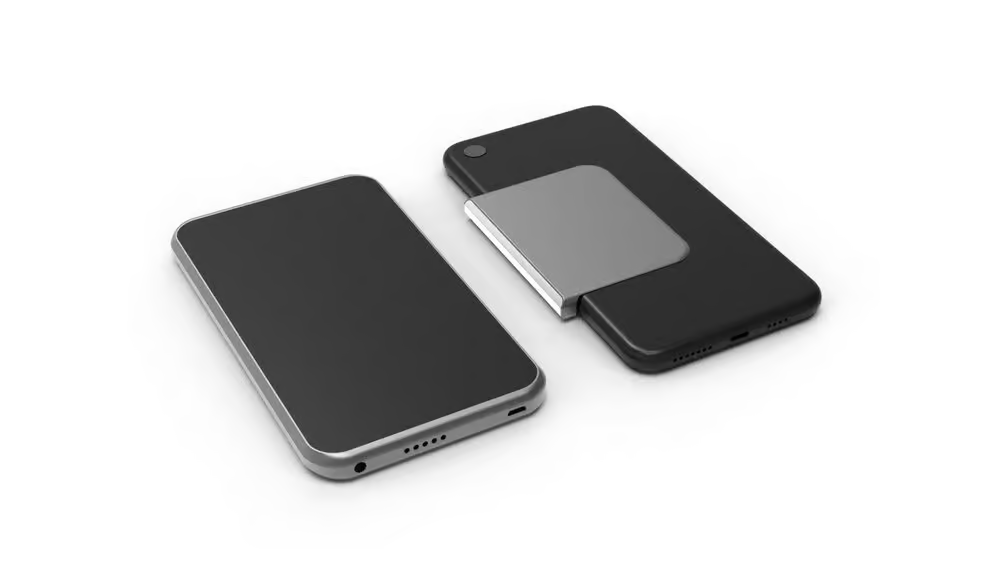
Products designed for demanding environments require careful balance between material selection, structural integrity, and ergonomic usability. In this case, those decisions directly support longer product lifecycles and more reliable everyday performance—key outcomes aligned with circular design principles.
Circular Design Requires Cross-Functional Alignment
Despite its benefits, circular product design cannot succeed as an isolated design initiative. It requires coordination across industrial design, engineering, manufacturing, supply chain, and business strategy.
Without this alignment, even well-intentioned circular concepts can fail during execution due to manufacturing constraints, cost pressures, or service limitations.
Successful implementation typically depends on:
- Early integration between design and engineering teams
- Manufacturing strategies aligned with lifecycle goals
- Material choices that support durability and reuse
- Clear planning for maintenance and repairability
- Business models that support long-term product value
This is why circularity is ultimately a strategic decision rather than a design style. It requires organizations to think across the full product ecosystem rather than focusing solely on initial launch outcomes.
When executed effectively, however, it creates alignment between user value and business performance—reducing friction between sustainability goals and commercial objectives.
The Future of Product Innovation Is Circular
Circular product design is not a passing trend or a branding direction. It reflects a broader evolution in how companies approach innovation, value creation, and product responsibility.
Organizations that adopt circular principles early are better positioned to respond to shifting regulations, changing customer expectations, and increasing pressure around sustainability performance. More importantly, they are building products designed to remain relevant and valuable over time.
As this shift continues, circular thinking will become less of a differentiator and more of a baseline expectation for serious product organizations.
CHOI Design Group approaches circular product design as part of a broader innovation strategy—balancing usability, manufacturability, sustainability, and business performance to help teams build products that are designed for long-term impact.
Looking to integrate circular thinking into your product strategy? Contact CHOI Design Group to start the conversation.