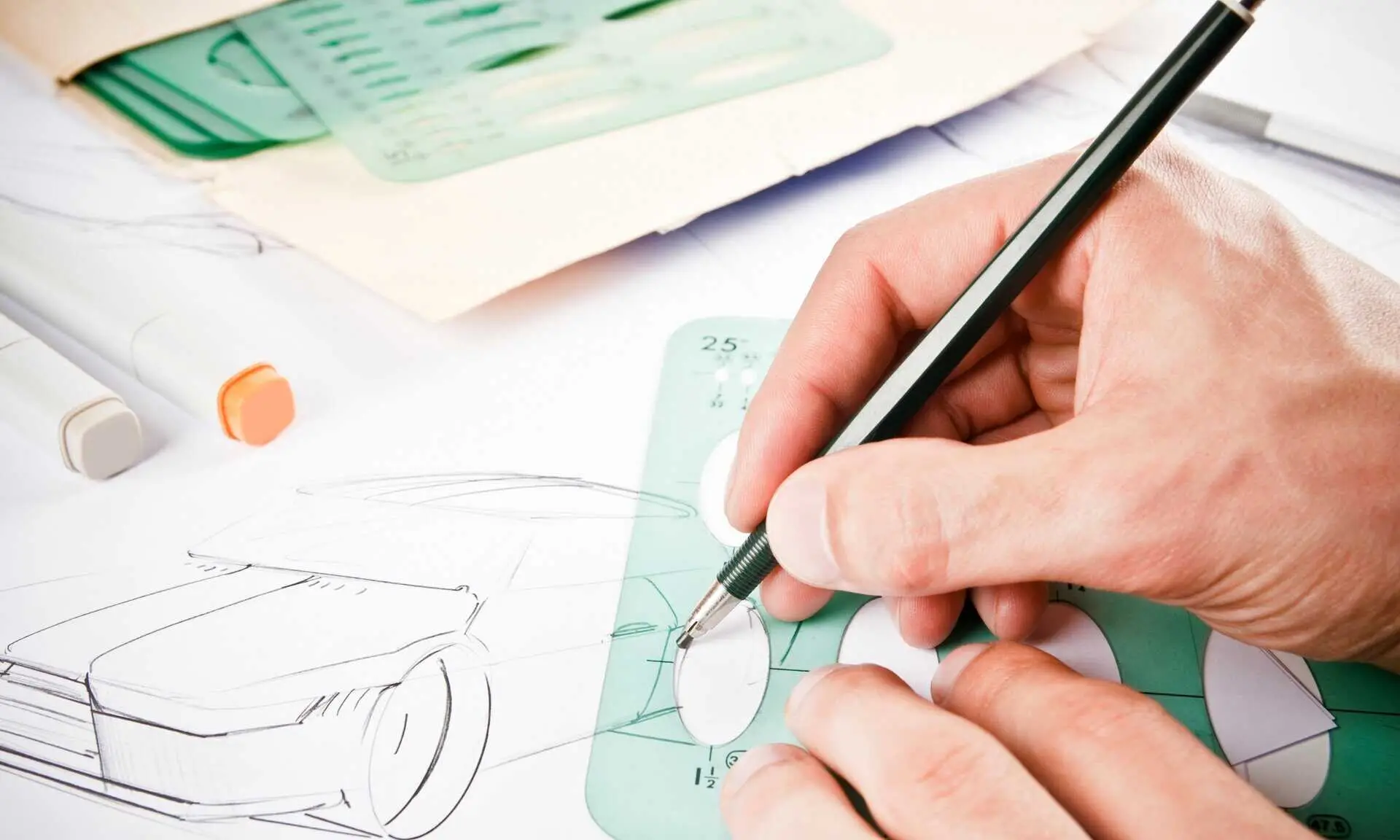
Consumer product design is the work of creating the physical products people buy for their homes and everyday lives: kitchen appliances, grills, personal care products, tools, electronics, toys, furniture and countless others. It decides what a product does, how it looks and feels in the hand, how easy it is to use, and how it can be manufactured at a price customers will pay.
Good consumer product design goes well beyond appearance. It combines an understanding of the people who will use the product, the market it competes in, the brand it represents, and the realities of engineering and manufacturing. Get those right together and you have a product that sells, earns good reviews and supports the brand for years.
What Does Consumer Product Design Include?
The work spans the entire product development lifecycle, from the first spark of an idea to production and beyond. A typical program includes:
- Research and strategy. Market and competitive analysis, consumer research and observation, and product positioning, to find an opportunity worth pursuing and define what the product must do.
- Concept development. Sketches, renderings and 3D exploration of many possible directions, narrowed to the ones that best fit the user, the brand and the business case.
- Industrial design. Form, proportion, ergonomics, user interaction and color, material and finish (CMF): everything the customer sees and touches.
- User experience and interface design. For products with controls, displays or apps, making the interaction intuitive and consistent with the physical design.
- Engineering and design for manufacturing. Mechanical design, material selection and refinement of parts so the product can be molded, assembled and shipped at the target cost and quality.
- Prototyping and testing. Appearance models and working prototypes, tested with real users, to find problems while they are still inexpensive to fix.
- Production support. Working with manufacturers and suppliers through tooling, sampling and launch so the finished product matches the design.
From Idea to Store Shelf
Consumer products face a few pressures that industrial or medical products often don’t:
- A target retail price. Every design decision has to fit a cost structure that leaves room for the retailer, the brand and the customer’s sense of value.
- Seconds to make an impression. On a shelf or a product page, the design, color and packaging have to communicate quality and purpose instantly.
- High volumes. Small savings in part count or assembly time add up across hundreds of thousands of units, and so do small mistakes.
- Product families. Most brands sell a line of products at several price points, and each needs to feel like part of the same family while standing on its own.
- Speed. Competitors move fast, and launch dates are often tied to retail buying seasons.
That is why consumer product design works best when design, engineering and manufacturing knowledge sit at the same table from the start, rather than being handed from one firm or department to the next.
What Makes a Consumer Product Successful?
- It solves a real problem. The best ideas usually come from watching how people actually use products and noticing what frustrates them, often things they no longer consciously notice.
- It is easy and comfortable to use. Ease of use, grip, weight and intuitive controls influence purchasing decisions and reviews as much as features do.
- It looks the part. Aesthetics, materials and finish signal quality and justify price.
- It reinforces the brand. A consistent design language builds recognition across a product line.
- It can be built well at the right cost. A brilliant design that can’t be manufactured reliably at the target price isn’t a successful product.
Consumer Product Design Examples
A few projects from our own work show how these pieces come together:
- Weber Slate. Building on a 30-year relationship with Weber, CDG helped develop a new outdoor griddling experience and the Weber Works accessory system, combining consumer research, product strategy and brand differentiation.
- Proctor Silex Classic steam iron. A heritage brand reinvented with classic midcentury styling and modern functionality.
- Sunstar G.U.M. dual flosser. User research, ergonomic studies, extensive prototyping and packaging development produced a dual-ended flosser that is more comfortable and easier to use, in a crowded retail category.
How to Choose a Consumer Product Design Firm
When evaluating design partners, look for:
- Relevant experience in your category or a closely related one, and clients who have come back for more than one project.
- Engineering and manufacturing depth, not only styling, so concepts survive the move to production.
- A research process that includes observing real users, not just asking them.
- Involvement through launch, including tooling reviews and production samples.
- A collaborative approach that keeps your team involved in decisions throughout.
CHOI Design Group has designed consumer products since 1994 for brands including Weber, Hamilton Beach and Zurn. Learn more about our consumer product design services, or read about designing a best-selling, consumer-driven product.
FAQs
What is the difference between consumer product design and industrial design?
Industrial design is the discipline of designing mass-produced physical products. Consumer product design is industrial design applied to products sold to individual consumers, which brings specific pressures such as retail pricing, shelf appeal and high production volumes.
How long does it take to design a consumer product?
It depends on complexity. A simple product with few parts can move from concept to production-ready design in a few months; products with electronics, mechanisms or regulatory requirements take longer, especially once tooling and testing are included.
What does a consumer product design firm deliver?
Typically research findings, concept sketches and renderings, 3D CAD data, appearance and functional prototypes, CMF specifications and manufacturing documentation, plus support through tooling and production.