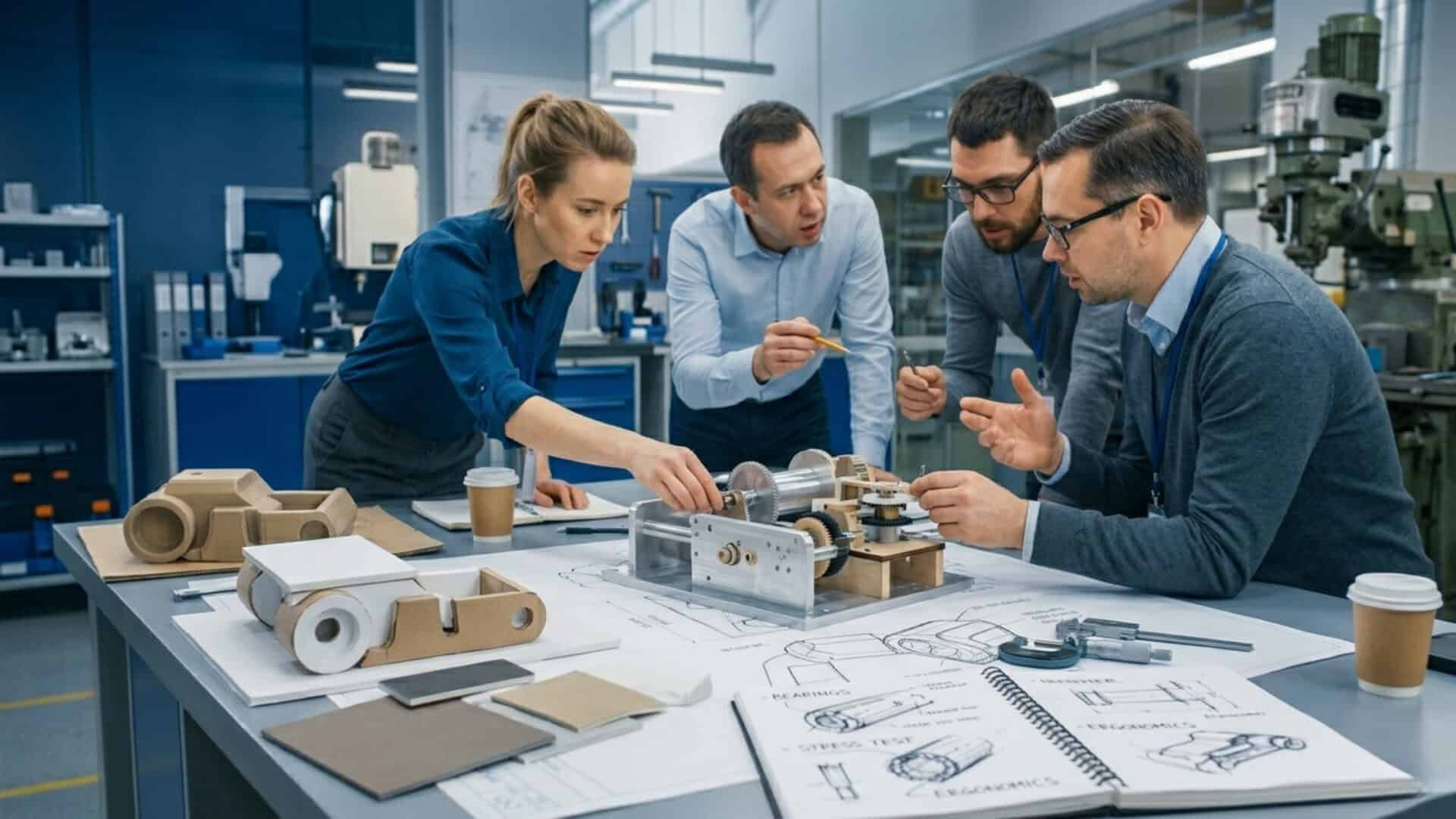
Bringing a new product to market is always a balancing act between speed, cost, and certainty. Move too quickly, and teams risk costly mistakes. Move too slowly, and opportunities slip away. Strategic prototyping offers a way to move fast and stay informed—helping teams validate ideas early, reduce uncertainty, and make smarter decisions throughout development.
CHOI Design Group approaches prototyping not as a single phase, but as a continuous, strategic process that drives alignment, minimizes risk, and accelerates time-to-market.
Why Prototyping Is a Strategic Advantage
Prototyping is often misunderstood as a late-stage activity used to refine form or test usability. In reality, it’s one of the most powerful tools for shaping product strategy from the very beginning.
When used strategically, prototyping helps teams:
- Validate assumptions before investing in full development
- Identify usability challenges early
- Align stakeholders around a shared vision
- Reduce costly engineering changes later in the process
- Build confidence in go-to-market decisions
Instead of relying on static concepts or internal debates, teams can interact with tangible representations of their ideas—making decisions based on real-world feedback rather than speculation.
Moving Beyond “Looks-Like” Prototypes
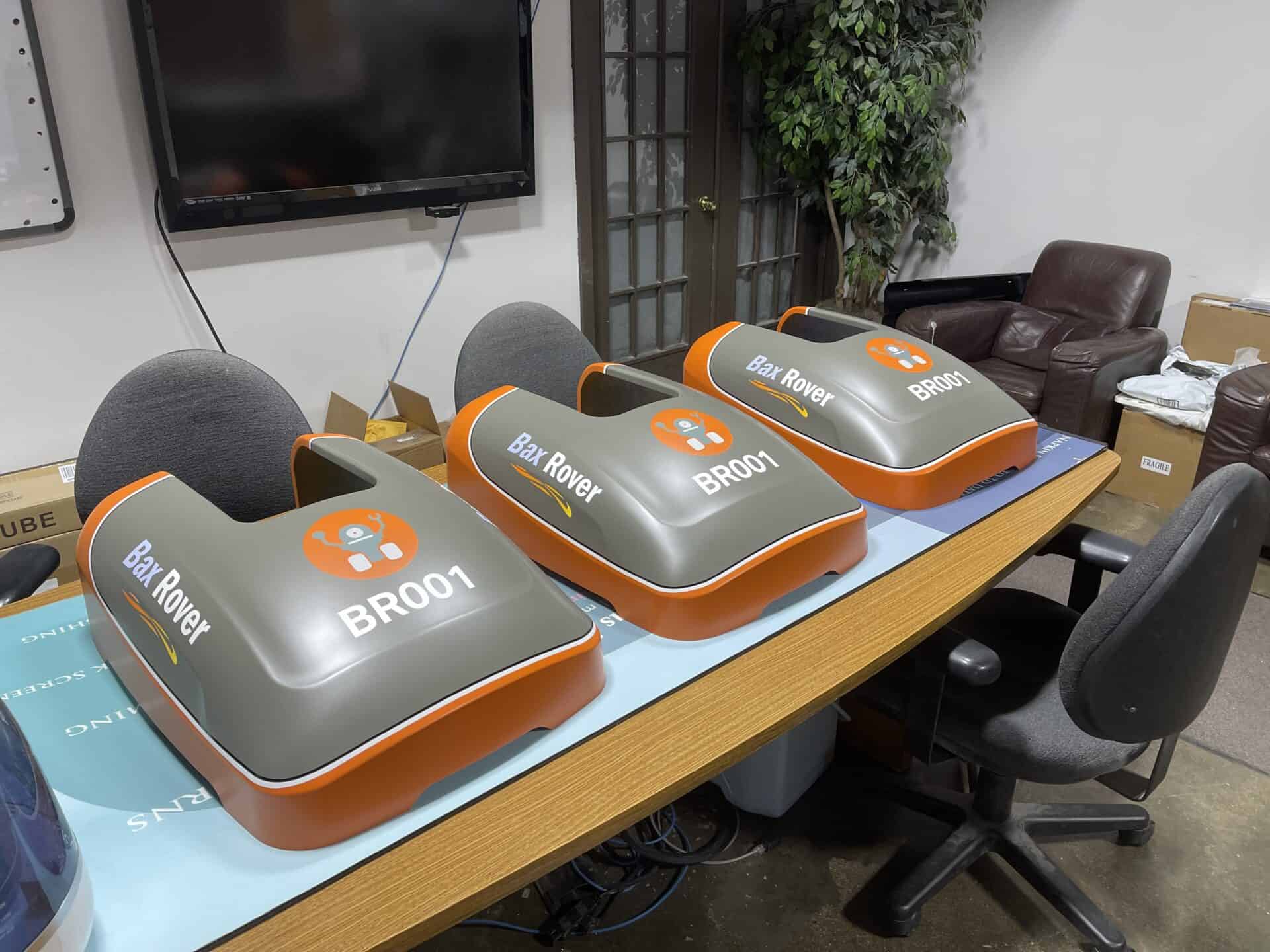
Not all prototypes serve the same purpose. Early-stage prototypes don’t need to be polished or production-ready—they need to answer specific questions.
CHOI Design Group develops prototypes with clear intent, often focusing on different dimensions of the product experience:
- Functional prototypes to test how a product works
- Ergonomic models to evaluate comfort and usability
- Interaction prototypes to explore user workflows
- Visual prototypes to assess form, brand alignment, and perception
By isolating key variables, teams can test what matters most at each stage—without overinvesting in unnecessary detail.
Reducing Risk Through Iteration
One of the biggest risks in product development is committing too early to untested ideas. Strategic prototyping introduces iteration as a core discipline—allowing teams to refine concepts through multiple cycles of testing and learning.
Rather than treating feedback as a late-stage checkpoint, CHOI Design Group integrates it continuously throughout the design process. Each iteration builds on the last, reducing uncertainty step by step.
This approach helps teams:
- Catch usability issues before they become expensive to fix
- Validate technical feasibility alongside user needs
- Explore multiple directions before narrowing in on a final solution
The result is a more resilient product—one that has been shaped and validated through real-world interaction, not just internal assumptions. In practice, teams often uncover critical usability or performance insights within the first few prototype iterations—well before full development begins.
Accelerating Time-to-Market Without Cutting Corners
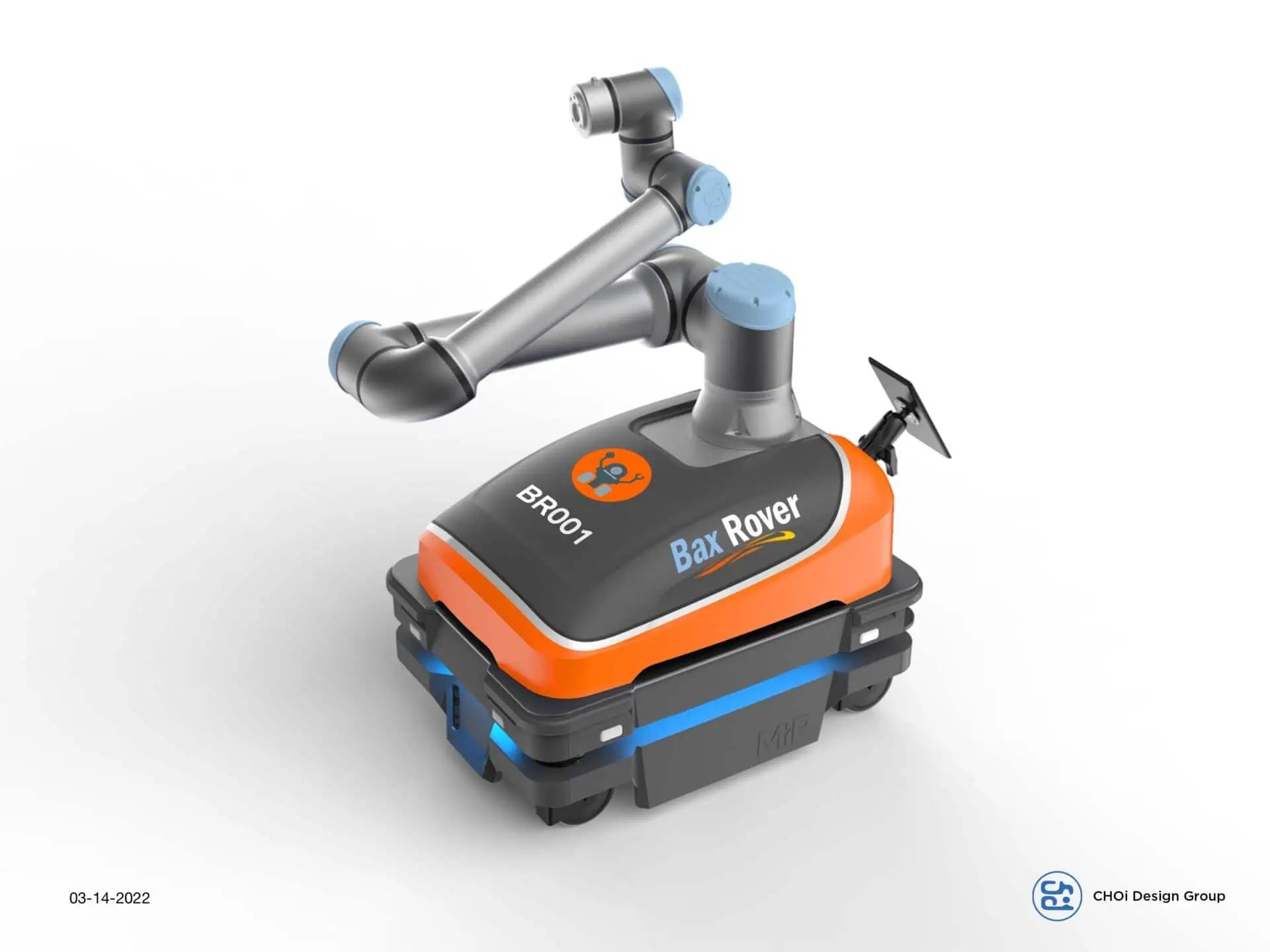
Speed is critical in competitive markets, but rushing development often leads to rework, delays, and compromised quality. Strategic prototyping flips this dynamic by enabling faster learning upfront.
By testing early and often, teams can:
- Make informed decisions faster
- Avoid late-stage redesigns
- Streamline engineering handoff
- Reduce overall development timelines
This doesn’t mean adding more steps—it means replacing uncertainty with clarity. When teams know what works (and what doesn’t), they can move forward with confidence.
CHOI Design Group uses prototyping to compress the development cycle—ensuring that speed comes from alignment and validation, not shortcuts.
Aligning Cross-Functional Teams
Product development rarely happens in isolation. Designers, engineers, product managers, and business stakeholders all bring different priorities to the table. Without alignment, even strong ideas can stall.
Prototypes act as a shared reference point—something everyone can see, touch, and react to. This makes collaboration more productive and decision-making more efficient.
CHOI Design Group uses prototyping to:
- Bridge communication gaps between teams
- Translate abstract ideas into tangible solutions
- Facilitate faster approvals and clearer direction
This collaborative approach reflects how integrated teams work in practice, as outlined on the CHOI Design Group About page.
Prototyping for Market Readiness
Prototyping doesn’t just reduce technical risk—it also helps validate market fit. Understanding how users perceive and interact with a product is key to successful adoption.
By the time a product reaches production, it has already been shaped by real feedback—making it more likely to succeed in the market. You can explore more examples in the CHOI Design Group portfolio.
Building a Culture of Continuous Validation
Strategic prototyping is not a one-time activity—it’s a mindset. The most successful product teams treat validation as an ongoing process, not a milestone.
This means:
- Testing ideas early, even when they’re incomplete
- Embracing iteration as part of the workflow
- Using prototypes to inform both design and business decisions
- Continuously refining the product as new insights emerge
CHOI Design Group partners with teams to embed this mindset into their development process—helping them move from reactive problem-solving to proactive innovation.
From Idea to Impact—Faster and Smarter
Prototyping is more than a design tool—it’s a strategic lever for reducing risk and accelerating progress. When done right, it transforms uncertainty into insight and ideas into validated solutions.
By integrating prototyping throughout the product development lifecycle, teams can make better decisions, avoid costly missteps, and bring products to market with greater confidence.
CHOI Design Group works with organizations to turn early concepts into market-ready products through strategic prototyping, thoughtful iteration, and cross-functional collaboration.
Looking to reduce risk and accelerate your product development process? Contact CHOI Design Group to start the conversation.