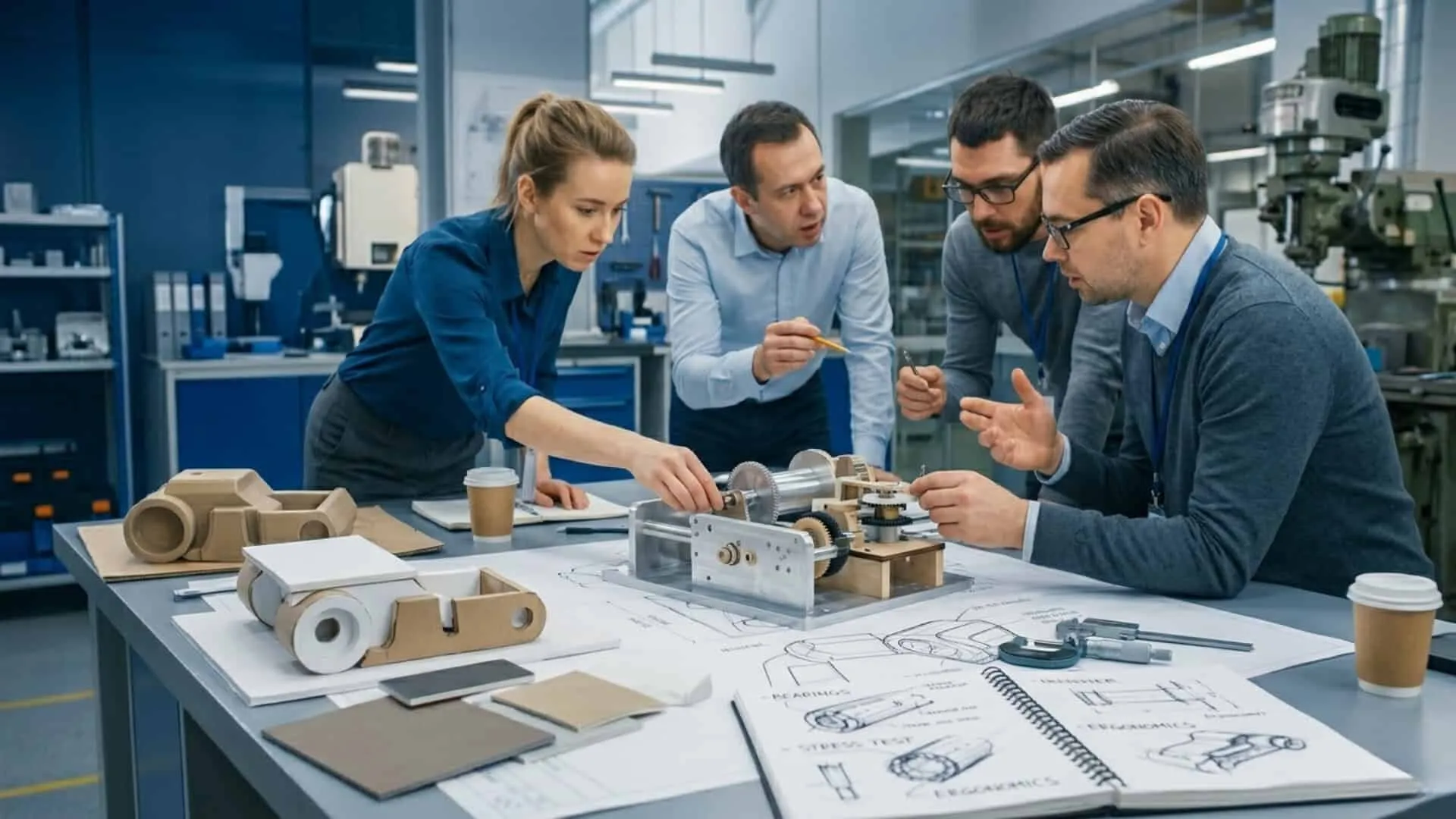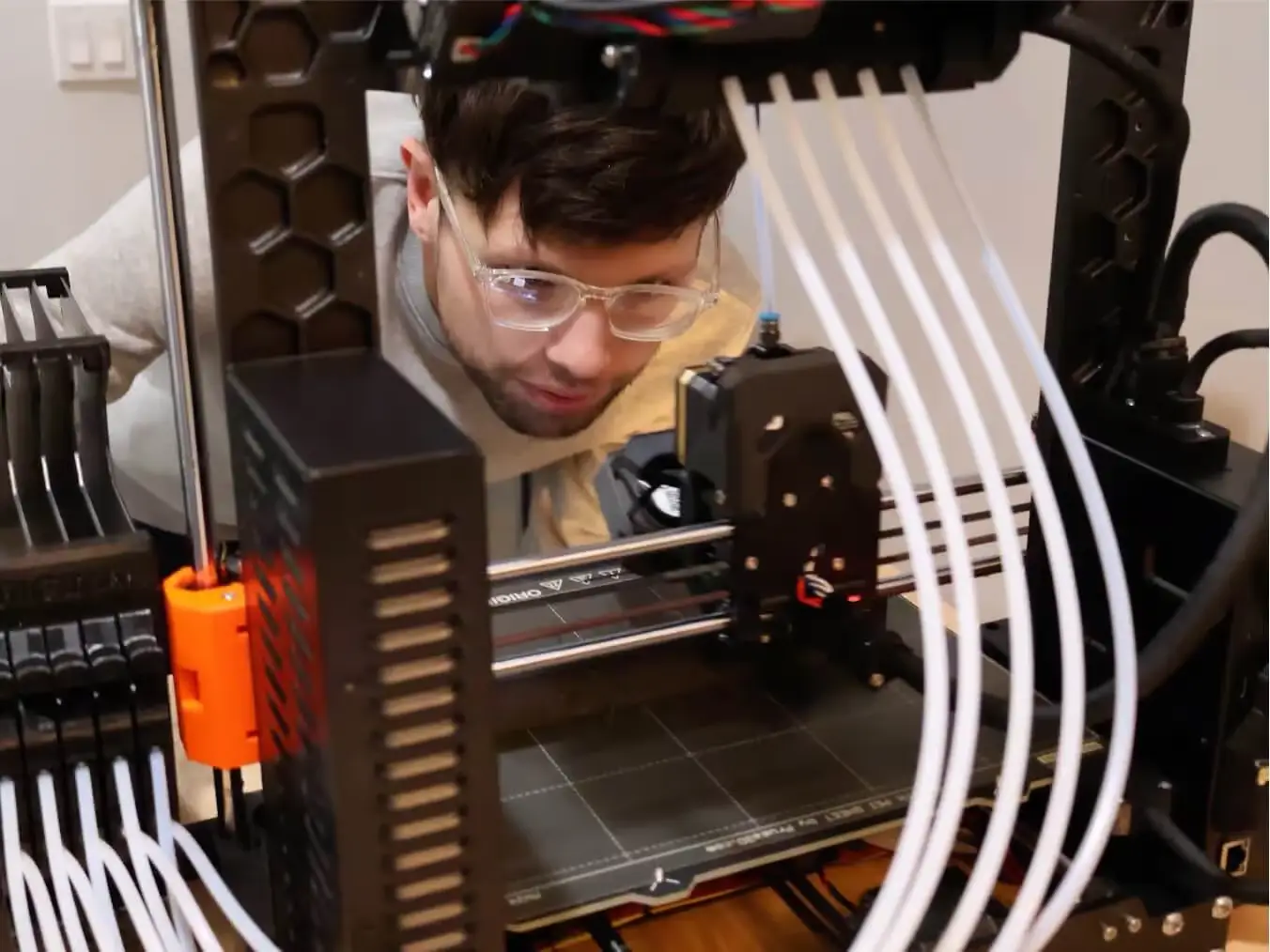
CHOI Design Group engineer refining a prototype

Prototyping & Product Validation

Find the problems before production does.

CHOI Design Group (CDG) uses physical models and functional prototypes to evaluate aesthetics, ergonomics, usability, engineering performance and manufacturing feasibility as part of the design process, not after it.

Instead of limiting projects to in-house equipment, we work with a carefully selected network of specialized prototyping partners, choosing the facilities, technologies and expertise each project needs. Our designers and engineers keep oversight of every build, so prototypes stay true to the design and every round answers a real question.

What prototypes reveal

Prototypes often expose issues that are hard to see in digital design alone. These are the discoveries that most often save clients money.

  1. Unexpected usability issues

    Physical testing reveals ergonomic, accessibility and interaction problems that aren’t apparent in CAD.

  2. Design vs. reality

    A product that looks right on screen may have surprising proportions, weight, balance, tactile quality or assembly issues.

  3. Hidden manufacturing costs

    Prototypes expose chances to reduce part count, simplify assembly, improve material choices and lower production cost.

  4. Integration problems

    Tolerance conflicts, interference, structural weakness and fit or performance issues show up when parts come together.

  5. Material & finish behavior

    Real materials and finishes can perform differently than expected, affecting durability, appearance and perceived quality.

  6. Early risk reduction

    Finding these problems before investing in production tooling prevents expensive redesigns and manufacturing delays.

Prototyping as a decision-making tool

Every prototype starts with a plan: what it needs to prove, the technical requirements, the materials and fabrication methods, the budget and the criteria for success. Then we prepare CAD data and fabrication specifications, select the right partner, coordinate the build and review the result.

Depending on the question being answered, a project may use:

  • Concept and appearance models to evaluate form, scale, proportions, CMF and overall design intent
  • Functional and engineering prototypes to test mechanisms, component integration, fit and assembly
  • Ergonomic and usability models for hands-on evaluation of comfort, interaction and accessibility

Fabrication draws on 3D printing, CNC machining, urethane casting, thermoforming, sheet metal and other specialized processes, chosen for the job rather than for what a single shop happens to own.

From findings to refinement

Each prototype round ends with an assessment of design, engineering and manufacturing issues, user feedback where relevant, and specific recommendations. Those findings feed the next iteration until the design is ready for engineering release and production.
Prototypes are for learning, not just for showing.

We use what each prototype teaches to challenge assumptions and help clients invest with confidence before committing to manufacturing.

Taken through final prototype

“They’re not just designers they’re translators of vision into reality.”
Charles C Founder

We are an innovative Design,
Engineering and Visual identity agency,
with over 30 years of success in Chicago

Charles Choi founded CHOI Design Group in 1994 with a vision to fuse design innovation with strategic business growth. Today our team of designers, engineers and researchers has completed more than 2,000 projects and earned 256 patents, working with brands such as Weber, Cardinal Health, Midmark and Flexco.

About us

Common questions

What types of prototypes does CDG build?

Concept and appearance models for form, scale, proportion and CMF; functional and engineering prototypes for mechanisms, fit and assembly; and models for ergonomic and usability testing. Final deliverables also include refined 3D CAD, evaluation findings and design recommendations.

Do you have an in-house prototype shop?

We work with a network of specialized prototyping partners instead of a fixed set of in-house equipment. That gives clients access to the right technology for each build, including 3D printing, CNC machining, urethane casting, thermoforming and sheet metal fabrication, with CDG managing the vendors and reviewing quality.

When should we start prototyping?

Early, and more than once. Quick models during concept development answer questions about size, feel and use; functional prototypes later confirm mechanics, fit and manufacturability before production tooling, when changes are still inexpensive.

Let’s Work Together

Tell us about the product you want to build. We’ll bring 30 years of design, engineering and manufacturing experience to it.
Get started