Industrial and medical products are inherently complex, with strict safety, usability, and regulatory requirements. Designing these products is not just about functionality—it’s about creating solutions that users can understand, operate safely, and adopt efficiently. CHOI Design Group applies human-centered design principles to ensure industrial and medical devices are intuitive, safe, and effective, while driving measurable business outcomes.
Understanding Human-Centered Design in Industrial Contexts
Human-centered design (HCD) focuses on the end user throughout the product development process. For complex industrial and medical devices, HCD ensures that products are not only technically capable but also intuitive, safe, and efficient.
Key elements include:
- User research: Observing workflows, behaviors, and pain points.
- Iterative prototyping: Testing and refining design concepts in stages.
- Accessibility and ergonomics: Designing for diverse users, including operators with different skill levels.
- Safety integration: Embedding safeguards that prevent errors without reducing efficiency.
By embedding HCD early, CHOI Design Group helps clients reduce operational errors, improve adoption, and achieve stronger outcomes.
Human-Centered Design in Industrial Equipment
Industrial equipment often involves multiple operator roles and complex workflows. Applying HCD can:
- Reduce operator error through intuitive interfaces.
- Simplify maintenance with accessible components.
- Improve training efficiency with visual cues and logical workflows.
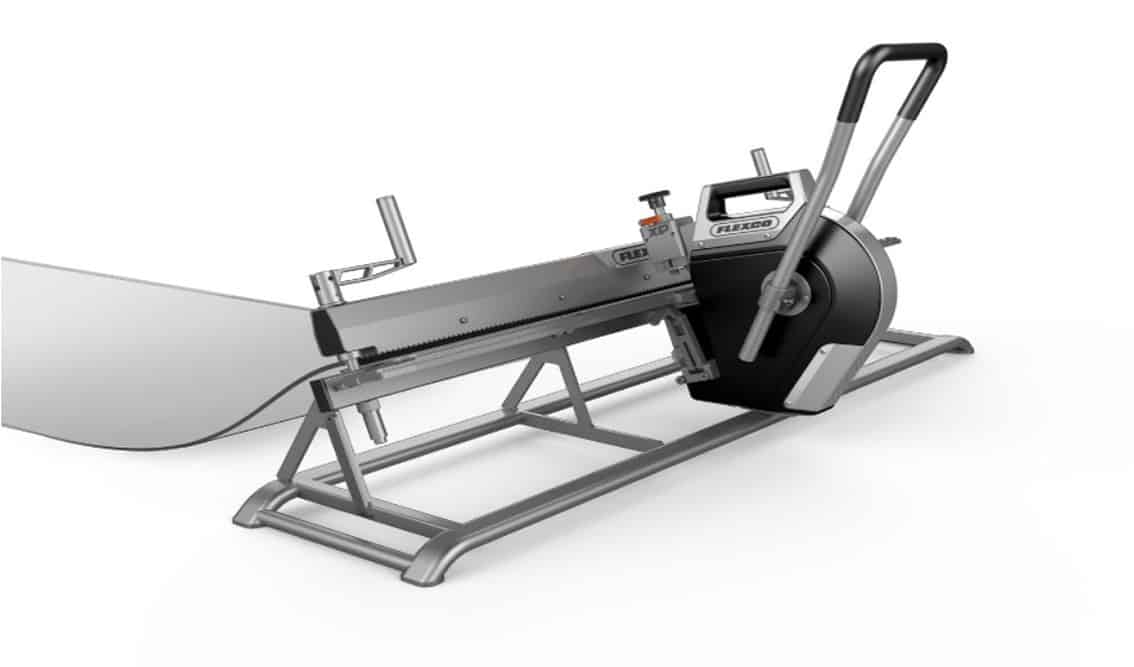
In the Flexco equipment redesign, CHOI Design Group streamlined operator interactions with conveyor belt systems. Through iterative prototyping and hands-on testing, the team improved usability and reduced training time by 20%, helping the client maintain operational efficiency while minimizing errors.
Human-Centered Design in Medical Devices
Medical devices must meet strict safety standards while remaining usable by clinicians and patients. HCD in this space focuses on:
- Clinical workflow integration: Aligning device operation with procedures.
- Error prevention: Designing interfaces and alerts that reduce mistakes.
- Patient comfort and usability: Improving ergonomics for patients and clinicians.
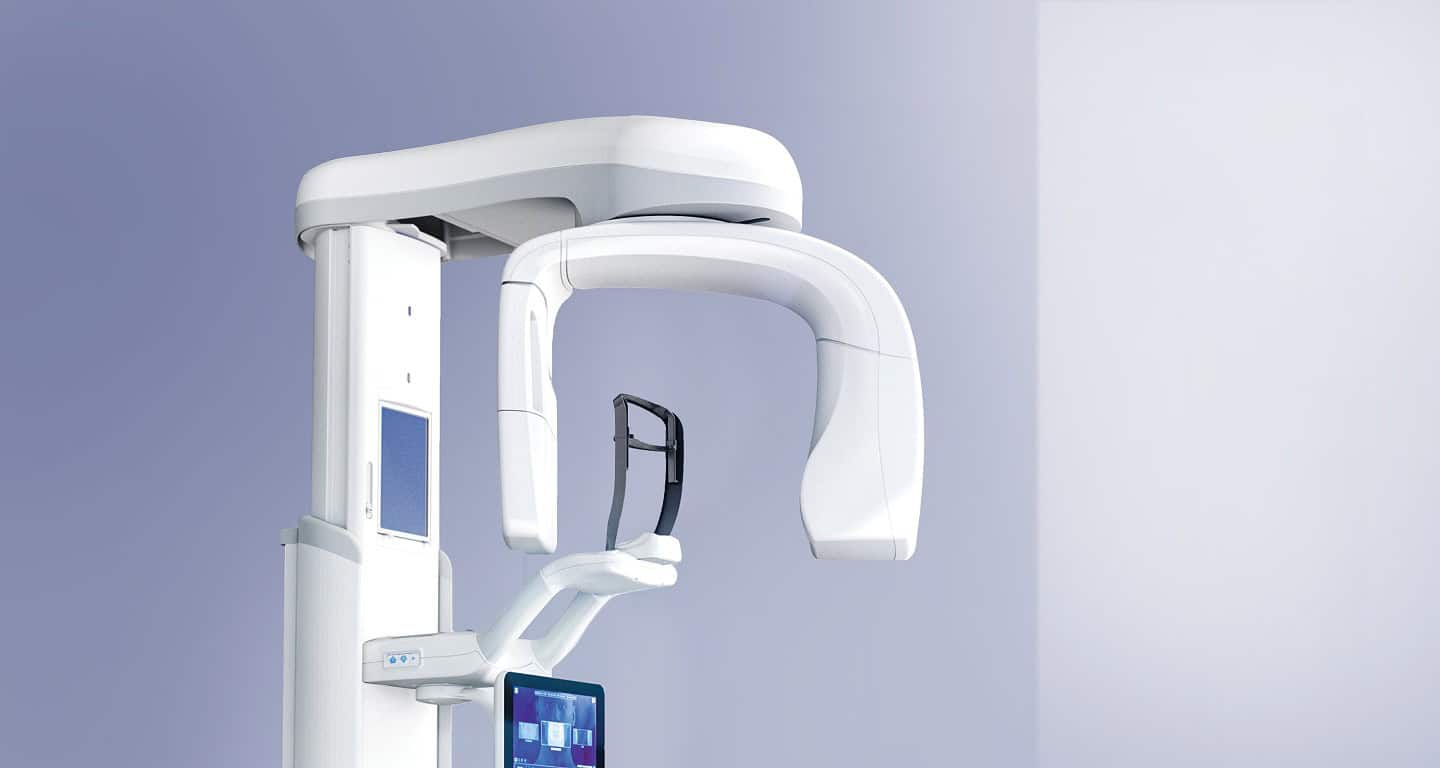
CHOI Design Group supported Midmark Dental equipment to align usability, hygiene standards, and maintenance needs. By applying HCD principles, the team improved clinician satisfaction and reduced operational errors.
Integrating HCD Into Product Development
Effective human-centered design requires integration across product strategy, industrial design, and engineering. CHOI Design Group emphasizes:
- Cross-functional collaboration: Designers, engineers, and product managers work together.
- Iterative feedback loops: Continuous testing prevents costly redesigns.
- Data-driven decisions: Observations, usability metrics, and user feedback guide design.
This approach ensures even highly technical products remain usable, safe, and commercially successful.
Real-World Benefits of Human-Centered Design
Applying HCD produces measurable advantages:
- Increased user adoption and satisfaction.
- Reduced errors and training costs.
- Faster time-to-market through fewer redesigns.
- Stronger alignment between product design and business goals.
For industrial and medical products, these benefits directly impact operational efficiency, patient safety, and overall ROI.
How CHOI Design Group Supports Complex Product Design
CHOI Design Group partners with clients to embed human-centered design across industrial and medical product development. By combining user research, iterative prototyping, and system-level thinking, CHOI Design Group helps teams:
- Design intuitive interfaces and controls.
- Reduce operational errors and improve efficiency.
- Align products with business strategy, market requirements, and safety regulations.
Every decision is guided by real-world context and measurable outcomes. Explore more at CHOI Design Group Work.
Looking to design industrial or medical products that users can operate safely and efficiently? CHOI Design Group partners with teams to integrate human-centered design into complex product development. Contact CHOI Design Group to start the conversation.