In industrial and product design, longevity is often measured in durability of materials, mechanical performance, or service life. But one of the most important—and often overlooked—factors in how long a product truly lasts is emotional durability.
Emotional durability refers to a product’s ability to remain meaningful, useful, and desirable over time. It is what keeps users engaged long after the initial novelty has faded. For CHOI Design Group, this concept is increasingly central to how long-term product value is created—not just for sustainability reasons, but because it directly impacts adoption, retention, and brand trust.
As product lifecycles shorten across industries, designing for emotional durability has become a strategic advantage for teams building physical products in competitive markets.
Beyond Function: Why Products Stop Being Used
Most products do not fail because they stop working. They are replaced because they stop feeling relevant.
This shift often happens gradually:
- Visual language becomes outdated compared to newer alternatives
- User expectations evolve faster than product updates
- The experience no longer aligns with changing workflows or lifestyles
- The product feels disconnected from daily routines
This creates what can be described as “silent obsolescence”—where a product still functions, but no longer earns its place in a user’s environment.
Designing for longevity requires addressing this gap directly. Emotional durability is the mechanism that keeps products relevant beyond their functional lifespan.
Emotional Durability as a Design Principle
Emotional durability is not a single feature—it is a system-level outcome shaped by multiple design decisions.
It is influenced by:
- Aesthetic restraint: avoiding overly trend-driven design choices
- Material honesty: selecting surfaces and finishes that age gracefully
- Interaction clarity: ensuring usability improves with familiarity
- Perceived care: creating a sense of quality that persists over time
- Adaptability: allowing products to evolve with user needs
Instead of designing for first impression impact, emotional durability focuses on long-term relationship building between user and product.
Designing for Use, Not Just Purchase
A common failure point in product design is optimizing for acquisition rather than sustained use. Products are often designed to perform well at launch but not necessarily to remain intuitive or engaging over time.
CHOI Design Group approaches this differently by prioritizing how products behave after hundreds or thousands of interactions.
Design considerations include:
- Reducing friction in repeated daily use
- Ensuring controls remain intuitive after long-term familiarity
- Designing for comfort in high-frequency interaction environments
- Supporting consistent usability even as user expertise increases
A product that becomes easier to use over time is more likely to remain in use.
Emotional Durability in High-Performance Environments
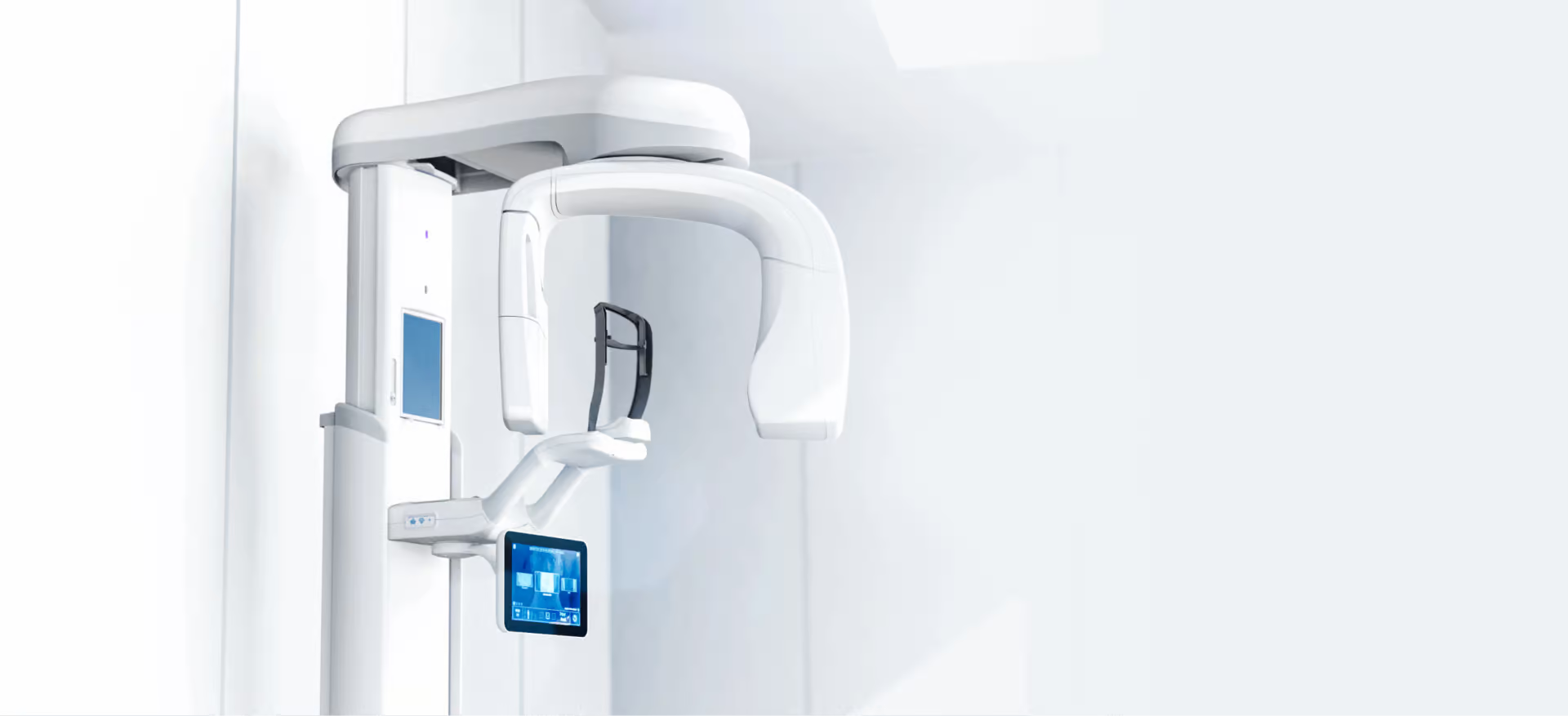
A strong example of emotional durability in practice can be seen in CHOI Design Group’s work on the Midmark Dental X-Ray System.
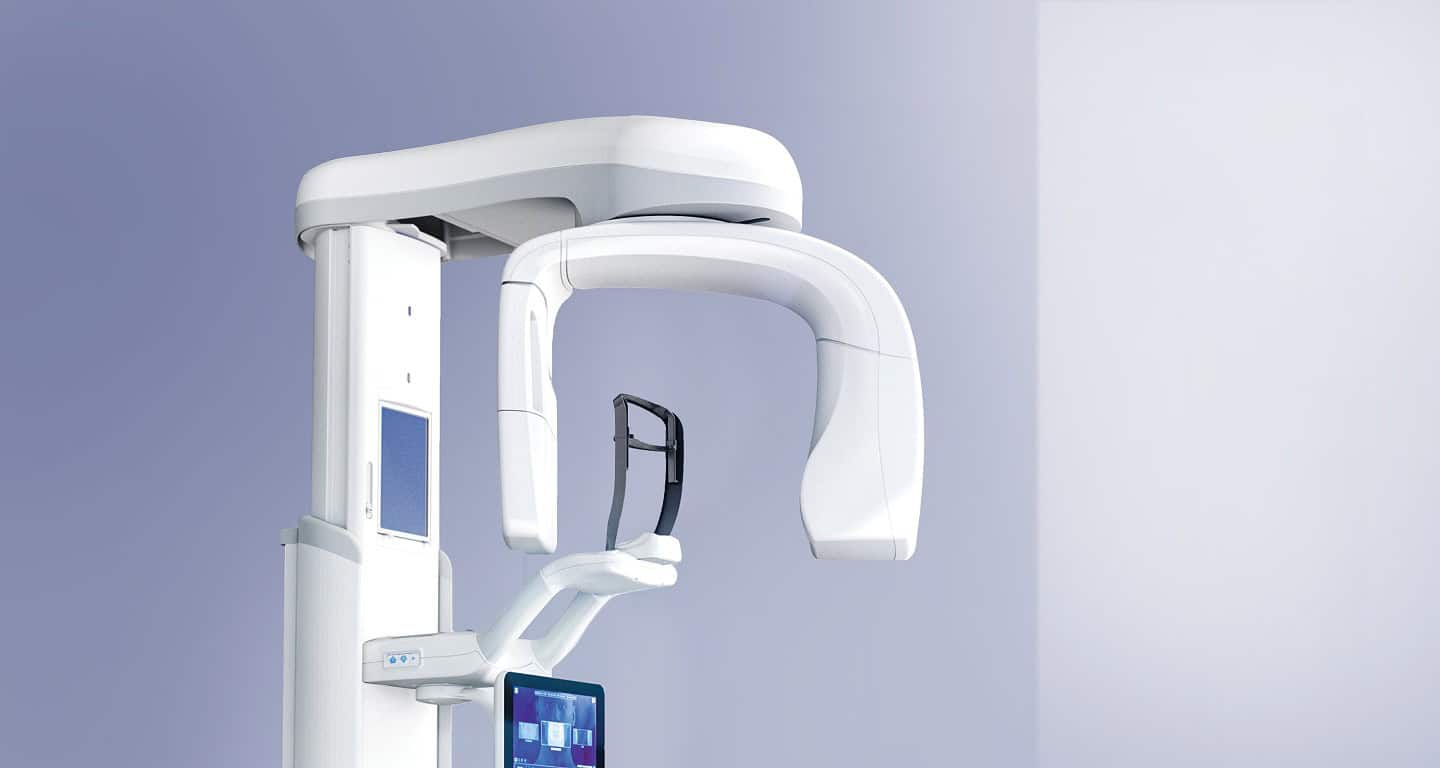
In clinical environments, equipment is used continuously throughout the day under physically and cognitively demanding conditions. While technical precision is essential, long-term adoption depends equally on how intuitive and comfortable the system remains over time.
Rather than focusing solely on differentiation or visual innovation, the design approach prioritized sustained usability:
- Reducing cognitive load during repetitive clinical workflows
- Improving ergonomic interaction for operators
- Maintaining clarity and consistency across long-term use
- Supporting efficiency as users become highly experienced with the system
This type of design thinking demonstrates emotional durability in a high-stakes environment—where repeated use strengthens trust in the product rather than eroding it.
Designing for Everyday Emotional Attachment
Emotional durability is not limited to complex industrial systems. It also plays a critical role in everyday consumer products where long-term engagement depends on habitual use.
A relevant example is CHOI Design Group’s collaboration on the Weber Slate Griddle System.
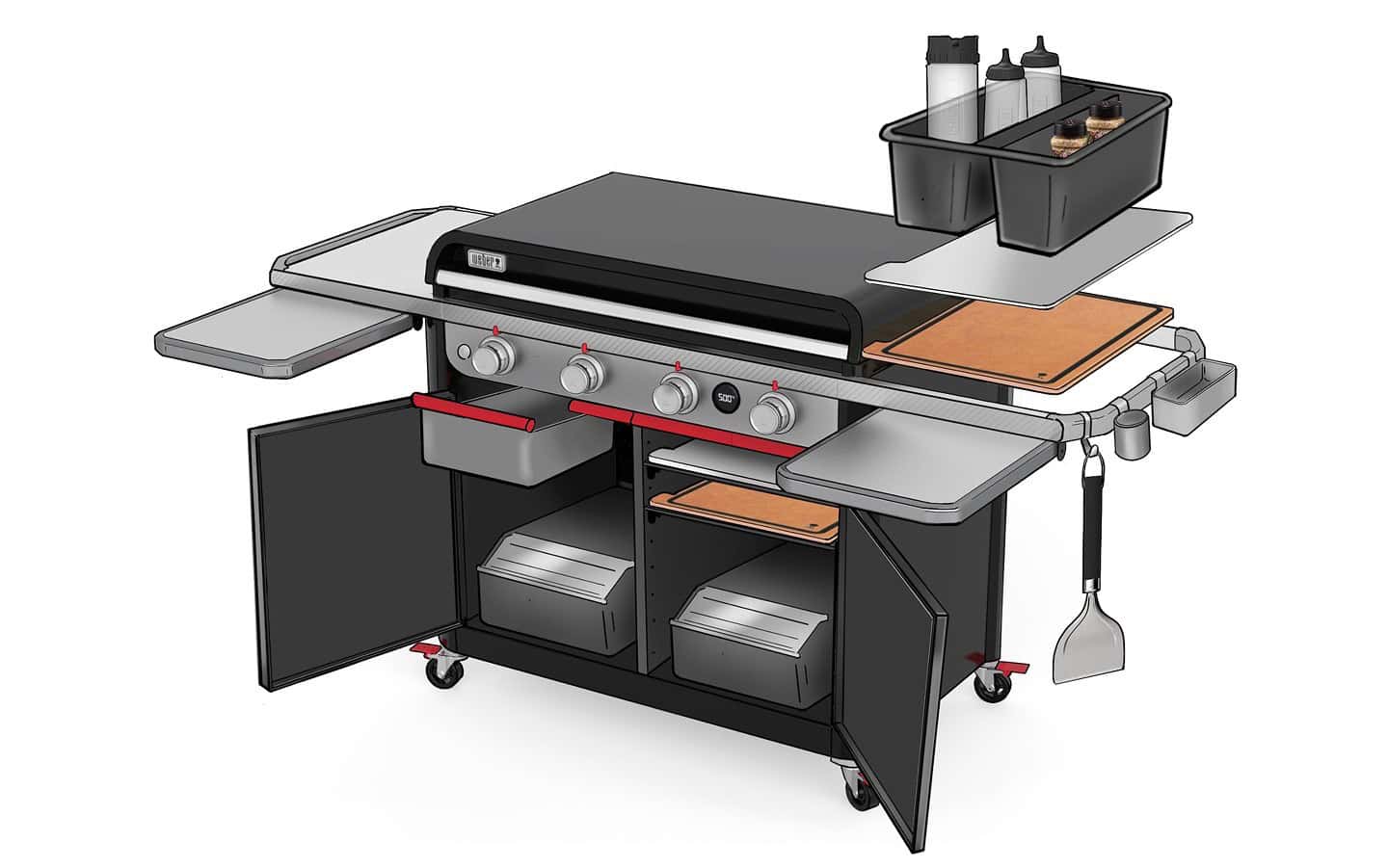
Instead of treating the product as a standalone appliance, the design focused on the full user journey—from preparation to cooking to serving. The goal was to create a seamless, repeatable experience that naturally integrates into daily routines.
Key design decisions included:
- A unified workflow across cooking stages
- Durable materials that develop character through use
- An intuitive interaction model that reduces learning curve friction
- A design language that avoids short-term stylistic trends
By prioritizing repeated engagement over novelty, the product becomes part of a user’s routine rather than a seasonal or occasional tool.
How Emotional Durability Supports Sustainability
While emotional durability is often discussed in experience terms, it has direct sustainability implications.
Products that remain relevant for longer naturally:
- Reduce replacement frequency
- Minimize material waste
- Extend lifecycle value without redesign cycles
- Decrease environmental impact across production chains
Unlike purely material-based sustainability strategies, emotional durability operates at the behavioral level. It reduces waste by reducing the desire to replace, not just the ability to recycle.
Designing Systems That Strengthen Over Time
One of the key differences between short-lived and long-lasting products is how they evolve with use.
Products designed with emotional durability in mind often:
- Improve in usability through familiarity
- Allow for maintenance or adaptation
- Support predictable wear that enhances character
- Avoid unnecessary complexity that discourages continued use
This requires a shift in thinking—from designing static objects to designing evolving systems of interaction.
The Business Case for Emotional Durability
For product leaders, emotional durability is not just a design principle—it is a performance driver.
It contributes to:
- Higher customer retention and loyalty
- Lower churn and replacement rates
- Stronger long-term brand perception
- Reduced lifecycle service costs
- Increased product lifetime value
In competitive markets where functional differences are shrinking, emotional connection becomes a key differentiator.
Why Emotional Durability Is Key to Product Longevity and Business Value
Emotional durability challenges the traditional assumption that innovation is about constant replacement. Instead, it reframes success as sustained relevance—where products remain useful, meaningful, and valued over time.
For organizations building complex products in competitive markets, this approach is increasingly essential. It connects design decisions directly to business performance, sustainability goals, and brand equity.
CHOI Design Group partners with teams to design products that last—not just physically, but emotionally and strategically.
Looking to bring more long-term thinking into your product development process? Contact CHOI Design Group to start the conversation.