
Connected products are no longer defined solely by their physical form. Today’s most successful products blend industrial design, embedded technology, and digital interfaces into a unified experience. From smart home devices to medical equipment and industrial systems, users expect seamless interactions between hardware and software.
For product teams, this creates both an opportunity and a challenge: how to design physical products and digital experiences that feel like one cohesive system. CHOI Design Group approaches connected product design with this integration in mind—ensuring that every touchpoint works together to deliver clarity, usability, and business value.
Why Alignment Between Hardware and Digital Matters
When hardware and digital experiences are misaligned, users feel it immediately. Confusing interfaces, disconnected feedback, or inconsistent branding can undermine even the most technically advanced product.
Alignment matters because it directly impacts:
- User trust: Clear, consistent interactions build confidence
- Ease of use: Intuitive systems reduce friction and learning curves
- Brand perception: Cohesive design reinforces quality and innovation
- Adoption and retention: Better experiences lead to higher engagement
A connected product is not just a physical object with an app—it’s a system. Designing that system holistically ensures the experience feels intentional rather than pieced together.
Designing the Physical-Digital Relationship
The relationship between hardware and digital interfaces begins with defining where interactions should live. Not every function belongs in an app, and not every control should exist on the device itself.
Effective product teams consider:
- Primary interactions: What must happen on the device for immediacy or safety
- Secondary controls: What can be extended into mobile or web interfaces
- Feedback loops: How the product communicates status across both physical and digital touchpoints
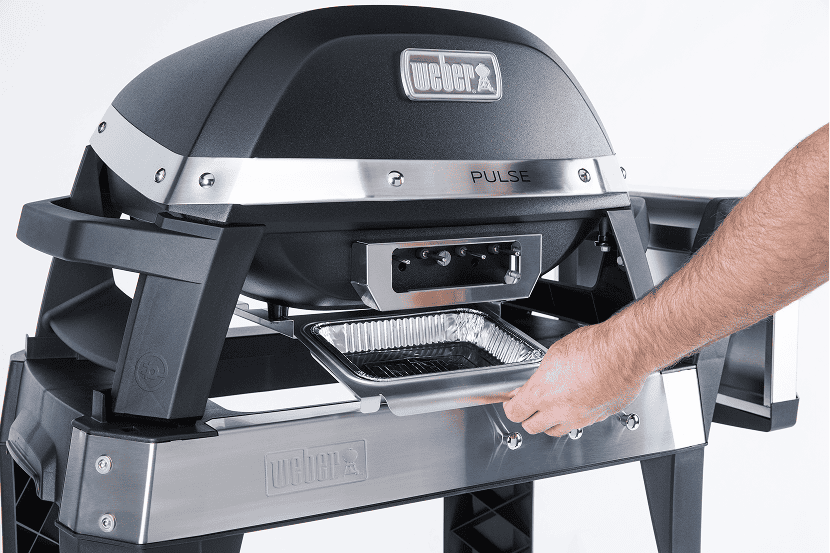
In connected consumer products like Weber Pulse, CHOI Design Group considers how physical controls, onboard feedback, and mobile interfaces work together—ensuring users can seamlessly transition between the device and digital experience.
Creating Consistent User Experiences Across Touchpoints
Consistency is one of the most overlooked aspects of connected product design. Users should not have to relearn how a product works when switching between physical controls and digital interfaces.
Consistency can be achieved through:
- Unified interaction models: Similar logic across hardware buttons and digital UI
- Visual language alignment: Matching color, typography, and iconography
- Terminology consistency: Using the same labels and instructions across platforms
- Predictable behavior: Ensuring actions produce expected outcomes everywhere
When these elements align, users perceive the product as a single ecosystem rather than separate components.
Prototyping Connected Systems Early
One of the biggest risks in connected product development is designing hardware and software in parallel without integration until late in the process. This often leads to mismatches that are expensive to fix.
Instead, CHOI Design Group emphasizes early and iterative prototyping of the full system. This includes testing how physical form, embedded controls, and digital interfaces work together in real-world scenarios—well before final engineering decisions are locked in.
This approach typically includes:
- Physical prototypes to test ergonomics and interaction
- Digital wireframes and UI prototypes
- Simulated connected environments to evaluate workflows end-to-end
By validating the complete experience early, teams reduce development risk while improving usability and overall product quality.
Engineering Collaboration as a Design Driver
Connected products require tight collaboration between industrial design, UX/UI, and engineering teams. Decisions in one area directly affect the others.
For example:
- Hardware constraints may influence screen size or interface complexity
- Software capabilities may expand or limit physical controls
- Connectivity requirements may impact product architecture and form factor
CHOI Design Group integrates cross-functional collaboration throughout the design process, ensuring that decisions are technically feasible, user-centered, and aligned with business goals. This approach reflects how teams collaborate in practice, as outlined on the About CHOI Design Group page.
This systems-level thinking is essential for delivering products that function seamlessly in the real world.
Real-World Impact: Designing for Ecosystem Thinking
Many of today’s most successful products succeed because they are designed as ecosystems rather than standalone devices. This applies across industries—from consumer electronics to healthcare and industrial equipment.
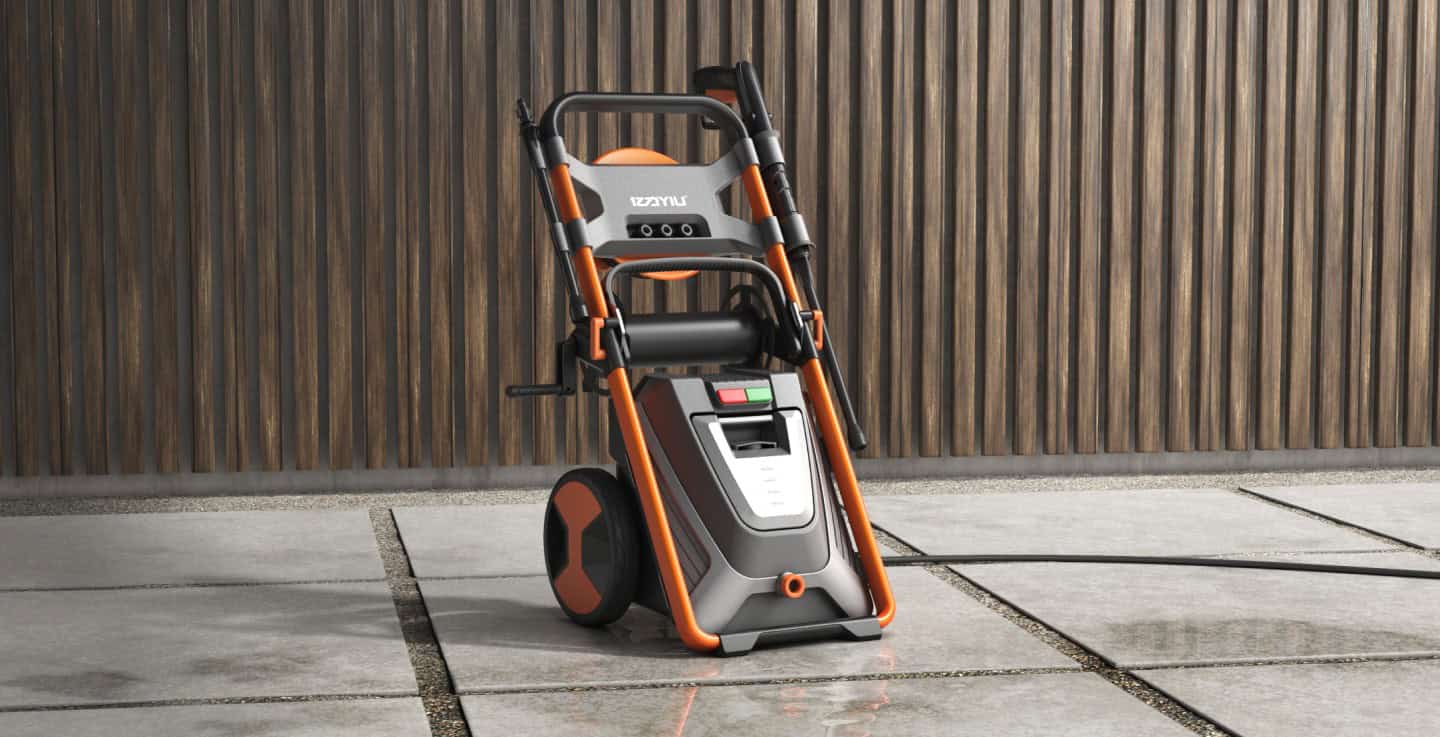
In its work with Yili Electric, CHOI Design Group focused on aligning product design with broader system interactions, ensuring that physical components, user interfaces, and overall product experience worked together cohesively.
By focusing on the entire user journey—not just individual touchpoints—teams can create products that feel more valuable, adaptable, and future-ready. This kind of systems thinking is evident across the CHOI Design Group Work portfolio.
Balancing Innovation with Usability
Connected products often introduce advanced features, but innovation should never come at the cost of usability. Overloading users with unnecessary controls or complex interfaces can quickly diminish the experience.
Successful teams prioritize clarity by focusing on:
- Essential features for core interactions
- Progressive disclosure for advanced functionality
- Simplified workflows across both hardware and digital platforms
CHOI Design Group helps teams focus on what matters most to users, ensuring innovation enhances the experience rather than complicates it.
Supporting Long-Term Product Evolution
Unlike traditional products, connected devices evolve over time through software updates, new integrations, and expanded capabilities. This requires a forward-thinking design strategy.
Key considerations include:
- Designing hardware that supports future digital enhancements
- Building flexible UI systems that can scale
- Anticipating user needs as products grow more complex
By aligning hardware and digital systems from the start, product teams create a foundation that supports continuous improvement without disrupting the user experience.
Designing Connected Products That Work as One
Connected product success depends on more than technology—it depends on how well every component works together. When hardware and digital experiences are aligned, users benefit from clarity, consistency, and confidence in the product.
CHOI Design Group partners with teams to design connected products as cohesive systems, integrating industrial design, UX, and engineering from the earliest stages through launch.
Looking to create a connected product that delivers a seamless user experience across hardware and digital touchpoints? Contact CHOI Design Group to start the conversation.