Prototyping is at the heart of product innovation. It’s how ideas evolve, assumptions are tested, and solutions come to life. But as sustainability becomes an expectation—not just a differentiator—design teams are rethinking how to prototype more responsibly without compromising speed, creativity, or performance.
At Choi Design Group, we believe innovation and sustainability aren’t at odds. With the right tools, materials, and mindset, it’s possible to reduce prototyping waste while enhancing the product development process.
Why Prototyping Has a Sustainability Problem
Prototypes are, by nature, iterative and temporary. They’re often discarded after a single round of testing or presentation. Multiply this by dozens of design rounds across hundreds of projects, and the environmental footprint becomes substantial.
Key contributors to prototyping waste include:
- Single-use plastics and foams (e.g., urethane, ABS, acrylic)
- Energy-intensive 3D printing and CNC milling processes
- Overproduction of variations for testing or stakeholder review
- Non-recyclable or contaminated materials that go to landfill
In fast-paced development cycles, sustainability often takes a backseat to speed or precision. But it doesn’t have to.
5 Strategies to Make Prototyping More Sustainable
1. Prioritize Low-Impact Materials Early
During the early sketch and modeling phase, opt for materials that are recyclable, biodegradable, or lower in embodied energy.
- Use cardboard, paperboard, or recycled foam for form studies
- Choose PLA over ABS for 3D printing (it’s biodegradable and corn-based)
- Avoid complex multi-materials that are hard to disassemble or recycle
Even temporary materials can be chosen intentionally to reduce environmental impact.
2. Use Digital Prototyping Whenever Possible
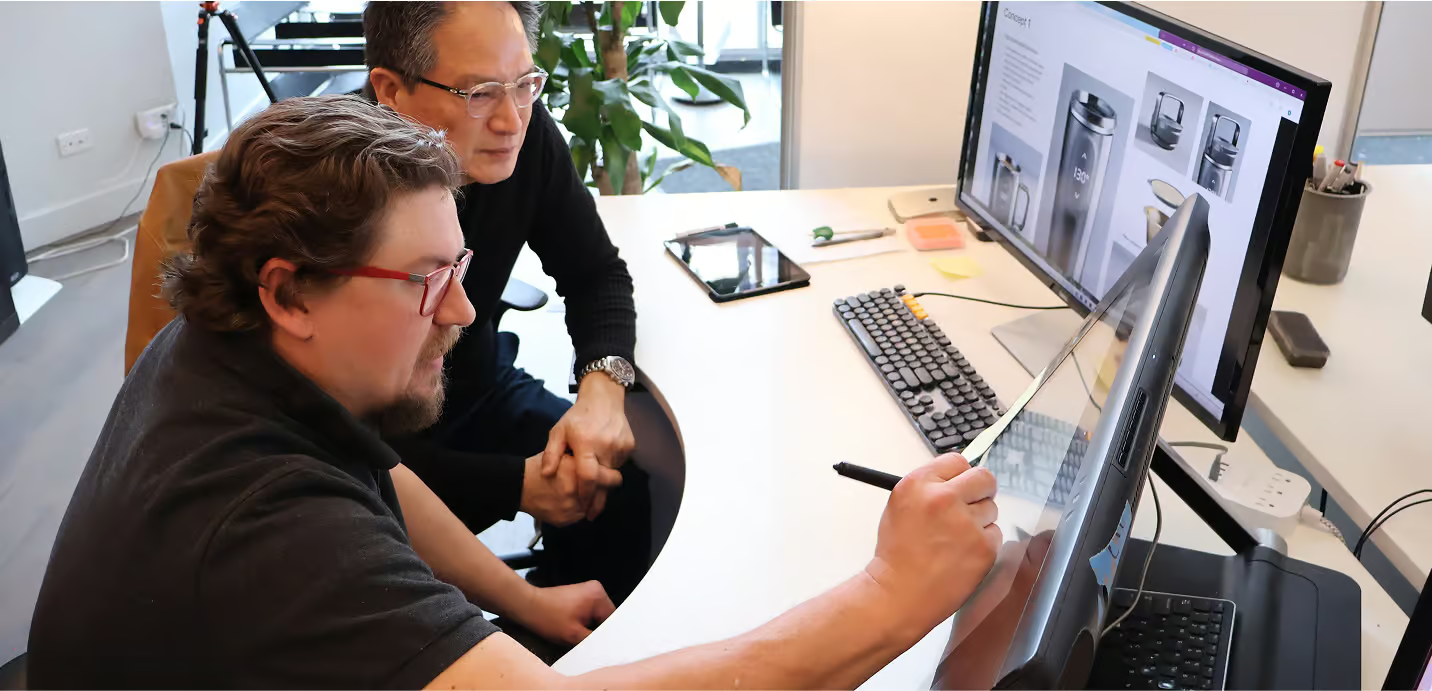
Virtual modeling tools have become more advanced and immersive, reducing the need for physical mock-ups in early rounds.
- CAD + FEA: Stress-test your designs virtually before committing to real-world builds
- Digital twins: Simulate real-world performance and lifecycles
- AR/VR presentations: Reduce the number of physical “presentation” prototypes needed
Not every idea needs to be printed or machined—especially in early validation stages.
3. Limit Overproduction with Modular Iteration
Rather than building full prototypes for every variant, modular prototyping allows for:
- Swapping key parts or components
- Isolated testing of form vs. function
- Efficient A/B comparisons without duplicate waste
This is especially helpful in user testing, where feedback on isolated interactions (e.g., grip, visual hierarchy) can inform the next round without rebuilding the full prototype.
4. Recycle and Repurpose Materials In-House
Set up internal workflows to reuse leftover prototyping materials:
- Sort and label scrap materials for future rough mock-ups
- Use old clay models or PLA prints as base material for casting or milling
- Implement a materials library for students, interns, or future testing
A simple repurposing system can significantly reduce material costs and landfill output.
5. Design for Disassembly—even in Prototypes
Just like with final products, designing prototypes for disassembly allows for parts to be:
- Reused in future prototypes
- Recycled or composted properly
- Analyzed in separate environmental streams
Use fasteners or low-impact adhesives instead of permanent bonding. Label materials to aid recycling downstream.
Case Example: Sustainability in Choi Design Group’s Prototype Workflows
While every project is different, Choi Design Group integrates sustainable principles wherever possible—including during rapid prototyping.
In past concept development phases, our team has used:
- 3D-printed PLA for early form models to reduce plastic waste
- Low-density foam and paperboard for ergonomic testing tools
- Digital prototyping tools like CAD simulations and virtual renderings to reduce unnecessary material waste in early iterations or client reviews
These methods reduce both material usage and energy costs—while maintaining the speed and flexibility our clients depend on.
The Bigger Picture: Building a Circular Mindset in Product Development
Sustainable prototyping is more than just material selection—it’s a mindset shift that echoes across the full design process. When teams think about lifecycle and environmental impact early on, it influences decisions around:
- Material sourcing
- Manufacturing processes
- Packaging and shipping
- Product longevity and end-of-life recyclability
By applying circular economy principles to prototyping, design teams can spark larger conversations about how products are made, used, and reused.
Build Smarter, Cleaner Prototypes with Choi Design Group
Sustainability shouldn’t slow innovation. In fact, when prototyping is done with care and creativity, it can unlock better ideas, tighter iteration loops, and more meaningful design outcomes.
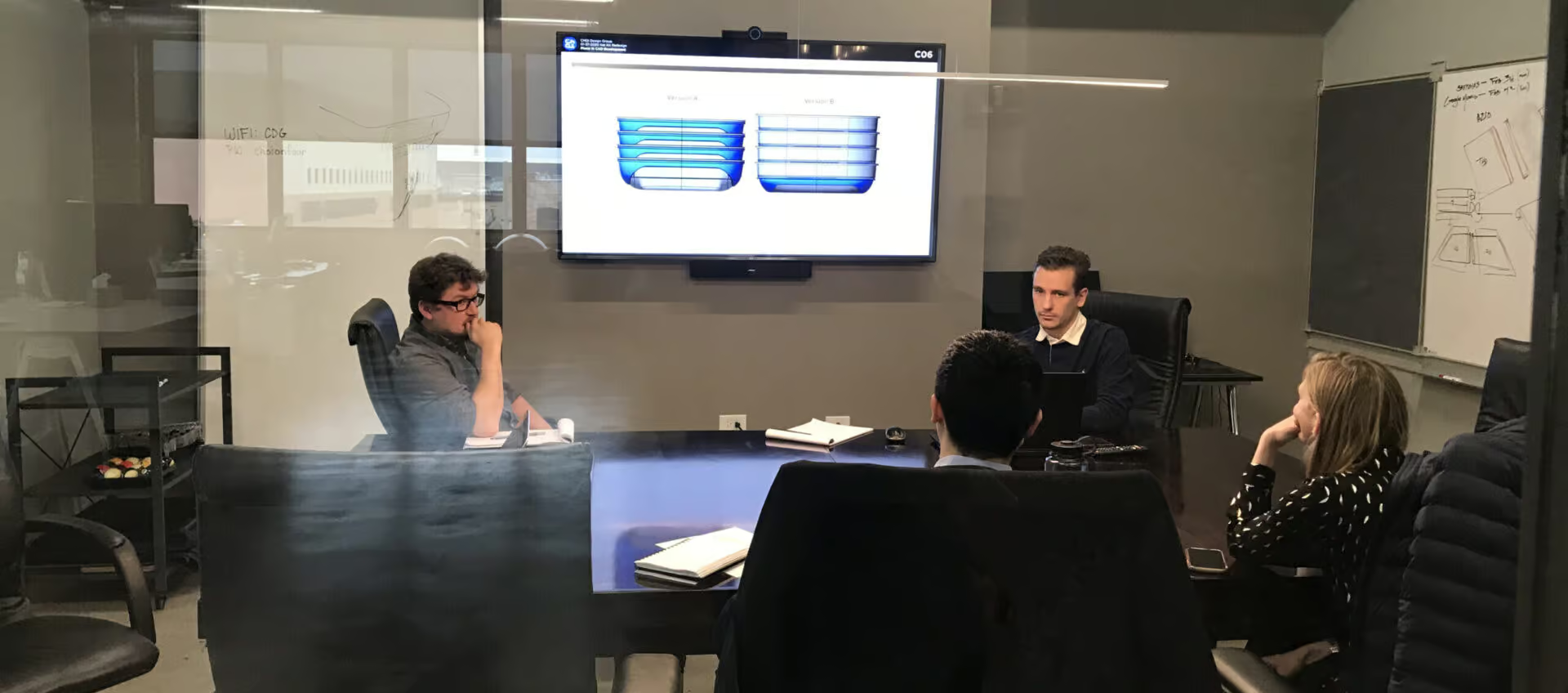
At Choi Design Group, we’re helping clients develop impactful products—without unnecessary waste. From early sketches to final models, we prototype with purpose.
Ready to bring sustainable thinking into your next product development cycle?
Contact us to start building smarter, more responsible products.